




Many off-grid homeowners start their solar journey with a relatively small system. A weekend cabin may initially need enough electricity for lights, a refrigerator, Wi-Fi, and a water pump. As the property becomes more frequently occupied, new appliances, additional living space, or a home workshop can significantly increase energy demand.
This is where off grid inverter parallel capability becomes valuable. Instead of replacing an existing inverter when power requirements increase, homeowners can add compatible inverter units to increase available output, provided the inverter platform is specifically designed for parallel operation.
For rural US properties, this approach can make solar system expansion more flexible and manageable. Homeowners can build an appropriately sized system today while leaving room for future growth, rather than paying for maximum capacity before they actually need it.
However, parallel operation is not supported by every off-grid inverter. Compatible units require dedicated communication, synchronization, and control functions that allow multiple inverters to operate as an integrated system.

How Parallel Off-Grid Inverters Work
When compatible inverters are configured for parallel operation, they communicate with each other and synchronize their AC output. Depending on the product architecture, multiple units can coordinate voltage, frequency, load sharing, and other operating parameters.
The goal is to make the connected inverters function as a coordinated power system rather than as separate independent devices.
Some systems use a master-and-slave architecture, in which one inverter establishes key operating parameters while the other units follow the coordinated control signals. Other platforms may use different communication and control methods. Therefore, homeowners should always follow the manufacturer's specific parallel configuration instructions rather than assuming all systems work the same way.
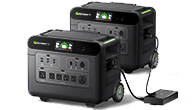
When properly configured, adding compatible inverter units can increase the total available continuous output and, within the manufacturer's specifications, provide greater surge capacity for the overall system.
This is very different from simply connecting two standalone inverters together. Independent inverters are not automatically capable of synchronizing their AC outputs. Connecting their outputs without manufacturer-supported parallel functionality can create dangerous electrical conditions, equipment damage, or code violations.
For this reason, off grid inverter parallel capability should always be explicitly confirmed in the product documentation before planning a system expansion.
Benefits of Parallel Inverters for Solar System Expansion
The biggest advantage of parallel-capable inverters is the ability to build a system in stages.
Build the System as Your Needs Grow
Many rural property owners do not know exactly how much electricity they will need several years from now. A cabin might eventually become a full-time residence, while a small homestead may later add a workshop, larger refrigeration system, or agricultural equipment.
With a parallel-capable inverter platform, homeowners may be able to start with one inverter and add another when demand increases, subject to the system's rated limits and installation requirements.
This can make solar system expansion easier to plan and potentially reduce the need for a complete inverter replacement.
Avoid Oversizing From Day One
Installing a very large inverter at the beginning can increase upfront costs and may provide capacity that remains unused for years.
A phased approach allows homeowners to match initial equipment more closely to current loads while preparing for future expansion. The important part is selecting an inverter platform that supports the intended final configuration from the beginning.
Increase Available Power
Adding compatible inverter units can increase total system output. This can be useful when a property transitions from basic essential loads to larger simultaneous loads.
For example, a cabin that initially powers lighting and refrigeration may eventually need to support a well pump, HVAC equipment, electric appliances, or workshop tools. A properly designed multi-inverter system can provide additional capacity as these requirements develop.
Potentially Improve System Resilience
Some parallel-capable platforms can provide a degree of redundancy because multiple inverter units contribute to the system. If one unit becomes unavailable, the system may still be able to operate with reduced capacity, depending on the manufacturer's design and operating limits.
This can be particularly valuable for remote properties where service visits may take longer to arrange. However, homeowners should verify the specific fault-tolerance and backup behavior of their chosen inverter rather than assuming every parallel system provides full redundancy.
The SPE 6000 US for Scalable Off-Grid Systems
The Growatt SPE 6000 US is designed for North American off-grid applications and supports parallel operation for systems that require additional capacity.
A homeowner can use a compatible SPE 6000 US configuration as the foundation for a smaller off-grid system and, within the platform's supported limits, add additional units as energy requirements increase. Its 120/240V split-phase capability also makes it suitable for compatible US residential applications where both 120V and 240V loads need to be supported.
This can be useful for cabins, tiny homes, rural residences, and other properties where power requirements may grow over time.
However, parallel inverter capacity should not be evaluated in isolation. Increasing the number of inverters also affects battery capacity, DC wiring, overcurrent protection, AC distribution equipment, and potentially the solar array. A successful solar system expansion therefore requires the entire electrical architecture to be considered together.
Key Requirements for a Successful Parallel Inverter Setup
Parallel inverter systems require careful installation and configuration. Several factors deserve particular attention.
Use Compatible Inverters
The first requirement is compatibility. The inverter manufacturer should explicitly support parallel operation for the specific model and system configuration.
Depending on the platform, units may need to be the same model and meet specific firmware or hardware requirements. Do not assume that two inverters with the same power rating can automatically operate together.
Follow Recommended Wiring Practices
Battery and AC wiring must be designed according to the manufacturer's instructions and applicable electrical requirements.
For systems with multiple inverters connected to a common battery bank, cable sizing, routing, protection, and connection points should be carefully planned. Differences in cable resistance can affect current distribution between units.
The exact wiring configuration varies by inverter platform, so installers should follow the manufacturer's recommended diagrams rather than applying a generic parallel wiring method.
Size the Battery Bank for Combined Loads
Adding another inverter increases available power, but the battery bank must also be capable of delivering the required current.
If the battery bank is too small, the expanded inverter capacity may not be fully usable. Battery voltage, maximum continuous current, peak current, BMS limits, and available energy should all be considered when planning the expansion.
Expand Solar Capacity When Necessary
More inverter capacity does not automatically create more energy.
If daily electricity consumption increases significantly, the solar array may also need to be expanded to provide enough energy to recharge the battery bank. Solar production should be evaluated based on local solar conditions, seasonal usage, battery requirements, and expected daily consumption.
Professional Commissioning
A multi-inverter system is more complex than a single-inverter installation. Communication cables, inverter settings, AC connections, battery protection, and system operating modes all need to be verified during commissioning.
A qualified installer familiar with multi-inverter systems can also verify compliance with applicable NEC requirements, local electrical codes, and AHJ requirements.
Common Mistakes During Parallel System Expansion
One of the most common mistakes is assuming that any two inverters can operate in parallel. Similar output ratings do not mean two models are electrically compatible.
Another mistake is adding an inverter without upgrading the rest of the system. A second inverter may increase potential power output, but an undersized battery bank, DC wiring, AC panel, or protection equipment can become the limiting factor.
Homeowners should also avoid focusing only on continuous output. Motor-driven appliances such as well pumps, refrigerators, and compressors can have substantial startup requirements. The expanded system should be evaluated for both continuous and surge loads.
Finally, don't wait until expansion day to consider future requirements. If you know that a workshop, additional living space, or larger appliances may be added later, discuss those plans with your installer before the initial system is installed.
Planning a Phased Off-Grid Solar Expansion
The best solar system expansion strategy starts with the final goal.
Create a basic roadmap of your expected electricity needs over the next several years. Identify planned appliances, calculate current and future continuous and surge loads, estimate battery requirements, and determine whether your solar array will eventually need additional capacity.
You can then install a smaller initial system while preparing the physical infrastructure for future additions. Depending on the property, this may include reserving wall space, planning conduit routes, selecting an appropriately sized distribution panel, and choosing a battery architecture that can be expanded later.
This approach can work particularly well for seasonal cabins that may eventually become full-time residences, tiny homes that gain additional appliances, and rural properties that gradually add workshops or agricultural loads.
A scalable inverter platform such as the SPE 6000 US can provide a foundation for this type of phased approach, provided the final system remains within the manufacturer's supported configuration and applicable electrical requirements.
Closing Thoughts
Parallel-capable off-grid inverters give US homeowners a more flexible way to approach long-term solar projects. Instead of purchasing the maximum inverter capacity immediately, homeowners can potentially build a smaller system first and expand it as their electricity needs increase.
Proper off grid inverter parallel operation, however, requires more than simply adding another inverter. Compatible equipment, correctly sized batteries and solar panels, appropriate wiring and protection, and professional commissioning are all essential.
When planning solar system expansion, start with your future energy goals rather than focusing only on today's loads. Choose a parallel-capable platform, confirm its expansion limits, and design the electrical infrastructure with future capacity in mind.
With the right planning and compatible equipment such as the SPE 6000 US, an off-grid solar system can evolve alongside your property, helping you add capacity when you actually need it while avoiding an unnecessary full-system replacement.

